 Skip to content


Planning a wedding involves several aspects, and food remains one of the most important elements that shapes the entire celebration. A well-organised wedding catering checklist ensures every detail is managed smoothly, from menu planning to final service execution. It also helps avoid last-minute confusion and creates a seamless guest experience.
A planned catering service for weddings improves food quality, timing, coordination, and overall event flow. This is especially important for couples planning large or multi-course celebrations where precision matters. In this blog, we’ll discuss the points in the wedding catering checklist that can help make your celebration a blast and stress-free.
1. Understanding Wedding Catering Basics
A complete catering service goes far beyond simply serving food on the day. It includes menu planning, ingredient selection, preparation timelines, staffing arrangements, presentation style, and full event coordination to ensure smooth execution.
Most wedding catering services offer multiple service formats depending on the type of wedding and guest experience required. Each format influences how guests interact, move through the event, and experience the meal service.
Common catering styles include:
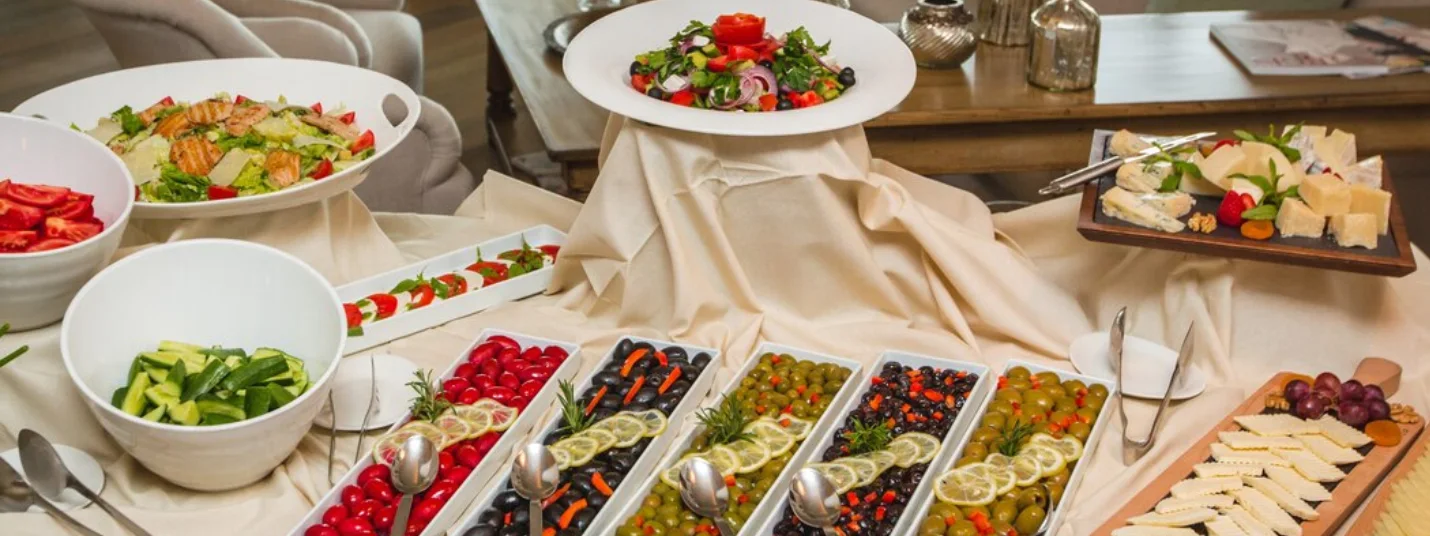
- Buffet service for variety and flexibility
- Plated meals for formal dining experiences
- Cocktail-style receptions for social interaction
- Grazing tables for visual appeal and casual dining
Each style creates a different atmosphere, so choosing the right one helps define the overall tone of your wedding celebration.
2. Set Your Wedding Catering Budget Early
Budget planning plays a crucial role in avoiding financial stress during wedding preparation. A clear and realistic budget helps you compare options and prevents overspending later in the process.
Most couples begin by estimating the wedding catering cost per head for evaluating packages based on inclusions rather than just price. This helps identify actual value, service quality, and hidden costs that may not be visible upfront.
Key budget considerations include:
- Food and beverage pricing structure
- Staffing levels and service charges
- Equipment, setup, and logistics costs
- Travel fees and additional add-ons
A well-planned budget ensures better financial control and allows you to prioritise quality over unnecessary extras.>
3. Choose the Right Catering Style
Selecting the right catering style is essential because it directly affects guest experience, timing, and overall wedding flow. The style should match your venue layout, guest count, and the atmosphere you want to create.
For example, buffet catering is ideal for flexibility and large guest lists, while sit-down catering service creates a more formal and structured dining experience. Cocktail-style catering works best for modern weddings where guests prefer movement and interaction.
Important factors to consider:
- Venue size and layout restrictions
- Guest interaction and movement flow
- Service timing and event schedule
- Wedding theme and formality level
Choosing the right format ensures the dining experience feels natural and well integrated into your event.
4. Confirm Guest Count and Dietary Requirements
Accurate guest numbers are vital for smooth execution. Even small changes can affect food preparation, staffing levels, and overall coordination. Finalising numbers early helps avoid unnecessary stress.
Dietary planning is equally important in modern weddings. A professional wedding catering service ensures all guests are accommodated without compromising quality or presentation.
Common dietary requirements include:
- Vegetarian and vegan meals
- Gluten-free and allergy-safe options
- Nut-free or ingredient-specific meals
- Cultural and religious meal preferences
Proper planning ensures every guest feels included and well taken care of.
5. Venue and Logistics Planning
Venue logistics play a major role in successful event catering. Even the best food and service plan can be affected if venue access and setup requirements are not properly managed.
Some venues offer full kitchen facilities, while others require mobile catering setups with additional equipment. Outdoor or regional venues often need more detailed coordination.
Key logistics checks:
- Kitchen access and preparation space availability
- Indoor vs outdoor service setup conditions
- Equipment delivery and storage restrictions
Strong coordination between the venue and catering team ensures smooth service without delays or disruptions.
6. Shortlist and Compare Wedding Caterers
Choosing the right catering partner is one of the most important decisions in your wedding planning journey. It directly impacts food quality, service consistency, and overall guest satisfaction.
Couples planning wedding catering in Melbourne often compare multiple providers to evaluate service style, experience, and value before making a final decision.
What to look for:
- Verified client reviews and testimonials
- Experience with similar wedding styles
- Quality of food presentation and service execution
- Responsiveness and communication clarity
A reliable caterer brings confidence and peace of mind throughout the planning process.
7. Ask the Right Questions Before Booking
Asking the right questions helps you understand service quality and avoid unexpected issues later. This step is essential before signing contracts or making deposits.
Key questions to ask:
- Are you available on our wedding date?
- Can menus be customised to our preferences?
- Do you provide food tasting sessions?
- What exactly is included in your package?
- How do you handle last-minute changes or emergencies?
Clear answers help align expectations and ensure smooth coordination throughout the planning process.
8. Plan Your Wedding Menu Carefully
Menu planning is where creativity and personal taste come together. It plays a key role in shaping the guest experience and leaves a lasting impression on your celebration.
A well-designed menu often includes seasonal ingredients, signature dishes, and cultural elements that reflect your personality as a couple.
Menu planning ideas:
- Seasonal and locally sourced ingredients
- Traditional or cultural dishes
- Custom desserts and beverage options
- Balanced vegetarian and non-vegetarian choices
A thoughtful menu significantly improves the overall guest experience at weddings and adds a personalised touch to the celebration.
9. Food Tastings and Final Selection
Food tastings are an essential step in finalising your wedding menu. They allow you to evaluate taste, presentation, portion sizes, and overall quality before the event.
This stage also allows you to refine dishes based on feedback and personal preferences, ensuring the final menu meets expectations.
A tasting session builds confidence in your chosen provider and ensures consistency in food quality and service on the wedding day.
10. Review Contracts, Pricing, and Payment Terms
Before confirming your booking, it is important to review all contract details. This includes understanding payment schedules, cancellation terms, and what services are included in the final package.
Transparency in catering service for wedding agreements helps prevent misunderstandings and ensures clear financial planning throughout the process.
Key contract details:
- Deposit amount and payment timeline
- Cancellation and refund policies
- Full breakdown of inclusions and exclusions
- Staffing, equipment, and service details
Clear documentation ensures smooth planning and financial clarity.
11. Event Day Logistics and Coordination
On the wedding day, execution becomes the most important factor. Your catering team should manage setup, timing, service flow, and coordination without disrupting the celebration.
Every detail matters, from food preparation timing to guest service experience. Proper execution ensures a seamless wedding reception catering experience from start to finish.
This allows you to fully enjoy your celebration while professionals manage operations behind the scenes.
12. Common Wedding Catering Mistakes to Avoid
Many couples face avoidable challenges that can impact the overall experience. Being aware of these helps ensure smoother planning and execution.
Common mistakes include:
- Booking catering too late
- Ignoring hidden costs in packages
- Skipping food tasting sessions
- Underestimating guest count requirements
- Choosing price over quality and experience
Avoiding these mistakes ensures a smoother and more stress-free wedding catering experience.
13. Final Checklist Before the Wedding Day
Before the wedding day, final confirmation is essential to ensure everything is properly aligned. This helps eliminate last-minute stress and confusion.
The last-minute checks include:
- Final guest count confirmation
- Menu approval and finalisation
- Venue access and timing coordination
- Supplier communication and scheduling
- Emergency contact details
Proper preparation ensures a well-structured and stress-free wedding planning experience.
Elevate Your Celebration with Thoughtful Wedding Catering Planning
A well-planned catering setup is one of the most important elements of a successful wedding. It directly impacts food quality, timing, coordination, and overall guest satisfaction throughout the entire celebration.
When every detail is carefully organised, from menu selection to service execution, the result is smooth and enjoyable for both the couple and their guests. This level of planning ensures your wedding feels effortless on the day itself.
Choosing experienced professionals for your wedding catering services ensures everything runs seamlessly, allowing you to focus on enjoying your special moment without stress or last-minute concerns.
Enquire for Professional Wedding Catering in Melbourne
If you are looking for reliable and professional wedding catering in Melbourne, Edge Hospitality delivers tailored menus, experienced service staff, and seamless event execution designed to create a stress-free and memorable celebration. Whether you are planning an intimate gathering or a large reception, our team handles every detail with care and precision from start to finish. We aim for a smooth and well-coordinated experience throughout your wedding day.
You can call us on 0414 866 448 or email us at events@edgehospitality.com.au to discuss your requirements and get a personalised quote.